
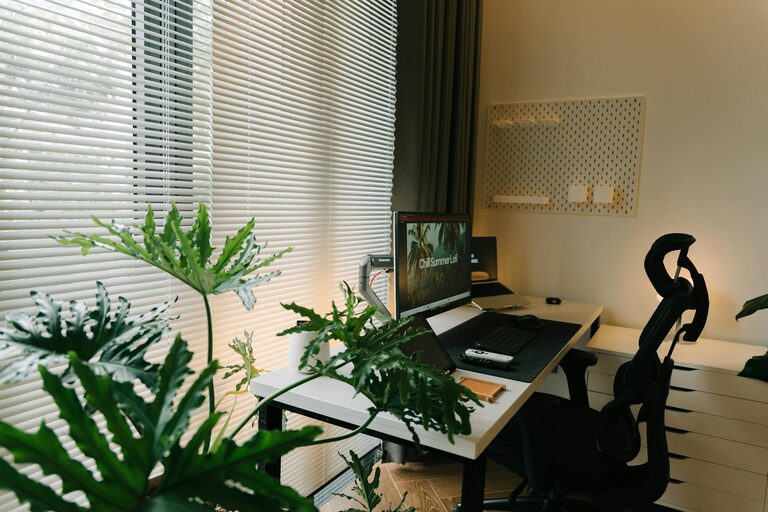
Creating a home office that is both relaxing and productive is essential for those working remotely or running a business from home. A well-designed workspace can enhance focus, lower stress, and encourage creativity. Whether you have a dedicated room or a small corner, there are smart strategies to transform your space into a hub of efficiency and calm. Here are some useful tips to help you achieve the perfect balance.
Choose the Right Location
Selecting the right spot for your home office is the first step. Ideally, choose a quiet area away from high-traffic zones like the kitchen or living room. Natural light is a big plus, so opt for a space near a window if possible.
Benefits of a good location:
– Reduces distractions
– Enhances mood through natural light
– Encourages better posture with a comfortable layout
If your available space is limited, consider using room dividers or noise-cancelling headphones to create a focus-friendly environment.
Invest in Comfort and Ergonomics
A comfortable workspace supports longer focus and helps prevent physical discomfort. Here are some ergonomic factors to consider:
– Chair: Choose an adjustable chair with good lumbar support.
– Desk: Ensure your desk is at the right height to keep your arms at a 90-degree angle.
– Monitor: Position your computer screen at eye level to avoid neck strain.
– Keyboard and mouse: Keep them within easy reach to reduce tension in the wrists.
Remember to take short breaks to stretch and move around every hour.
Declutter and Organise Your Space
A tidy workspace promotes a clear mind. Clutter can be distracting and make it difficult to find important items. Here’s how to stay organised:
– Use storage boxes, filing systems, or shelves to keep paperwork and supplies in order.
– Limit your desk items to frequently used essentials only.
– Adopt a regular clearing routine at the start or end of each workday.
– Use cable organisers to keep cords neat and out of the way.
Keeping the space visually simple can contribute to a calmer atmosphere.
Personalise Thoughtfully
Adding personal touches to your office can make it more inviting and comfortable but do so with balance. Over-decorating can become a distraction.
– Display a few favourite photos or art pieces.
– Incorporate plants to introduce greenery, which can reduce stress and improve air quality.
– Use calming colours such as soft blues, greens, or neutrals for walls and accessories.
Try to maintain clean lines and an uncluttered feel.
Optimise Lighting
Lighting impacts productivity and mood significantly. Here are key tips for good office lighting:
– Maximise natural daylight where possible.
– Use adjustable task lighting to reduce eye strain when reading or typing.
– Avoid harsh overhead lights that cause glare on screens.
– Consider warm white bulbs which create a cosy atmosphere without dimming alertness.
Layering different light sources allows you to tailor brightness throughout the day.
Minimise Distractions
Distractions can quickly reduce productivity. To maintain focus:
– Set up a ‘Do Not Disturb’ sign or agreement with housemates during work hours.
– Keep your phone on silent or use apps that limit notifications.
– Schedule specific times to check emails and messages instead of constantly monitoring them.
– Create a clear boundary between your workspace and relaxation areas.
Designating your office space exclusively for work helps your brain associate it with productivity.
Incorporate Relaxation Techniques
Integrating simple relaxation methods can improve mental well-being during long workdays:
– Practice mindfulness or deep breathing exercises during breaks.
– Use essential oils or scented candles with calming fragrances like lavender or chamomile if allowed.
– Play soft background music or nature sounds to soothe the mind.
– Take short walks or stretch regularly to refresh energy levels.
A relaxed mind is more capable of sustained focus and creativity.
Maintain a Routine
Consistency helps establish a productive mindset. Set regular working hours and include time for breaks, meals, and end-of-day rituals.
– Start your day with a clear plan or to-do list.
– Dress as if you were going to the office, even if working from home.
– Avoid work creeping into your personal time by physically leaving your home office at the end of the day.
A routine signals to your brain when it is time to work and when to rest.
—
Creating a home office that balances relaxation and productivity is achievable with thoughtful planning and care. By choosing the right location, maintaining comfort and organisation, and prioritising your wellbeing throughout the day, you can develop a workspace that supports your professional goals and keeps you feeling calm and motivated. Start with small changes and adjust as you discover what best suits your individual work style.